Blue Sapphires Reportedly from Azad Kashmir
Sapphires from the legendary locality of Kashmir are famous for their attractive velvety appearance and have been pursued by gem connoisseurs for more than a century. The so-called Kashmir sapphires were discovered in 1881 (Atkinson & Kothavala 1983), and initially the locality referred only to the Kashmir valley located in Jammu and Kashmir, a disputed region between India and Pakistan. More recently, some stones from neighbouring areas (e.g. Figure 18) such as the Batakundi-Basil region in the Pakistani-controlled part of Azad Kashmir, have been referred to as Kashmir sapphires (Pardieu et al. 2009; Kiefert 2011 and references therein). This region lies within the border area between Jammu and Kashmir and Pakistan-occupied Gilgit-Baltistan. Because there are significant price differences between the classic Kashmir sapphires and those from elsewhere in this region, it has become necessary to identify their specific origin.
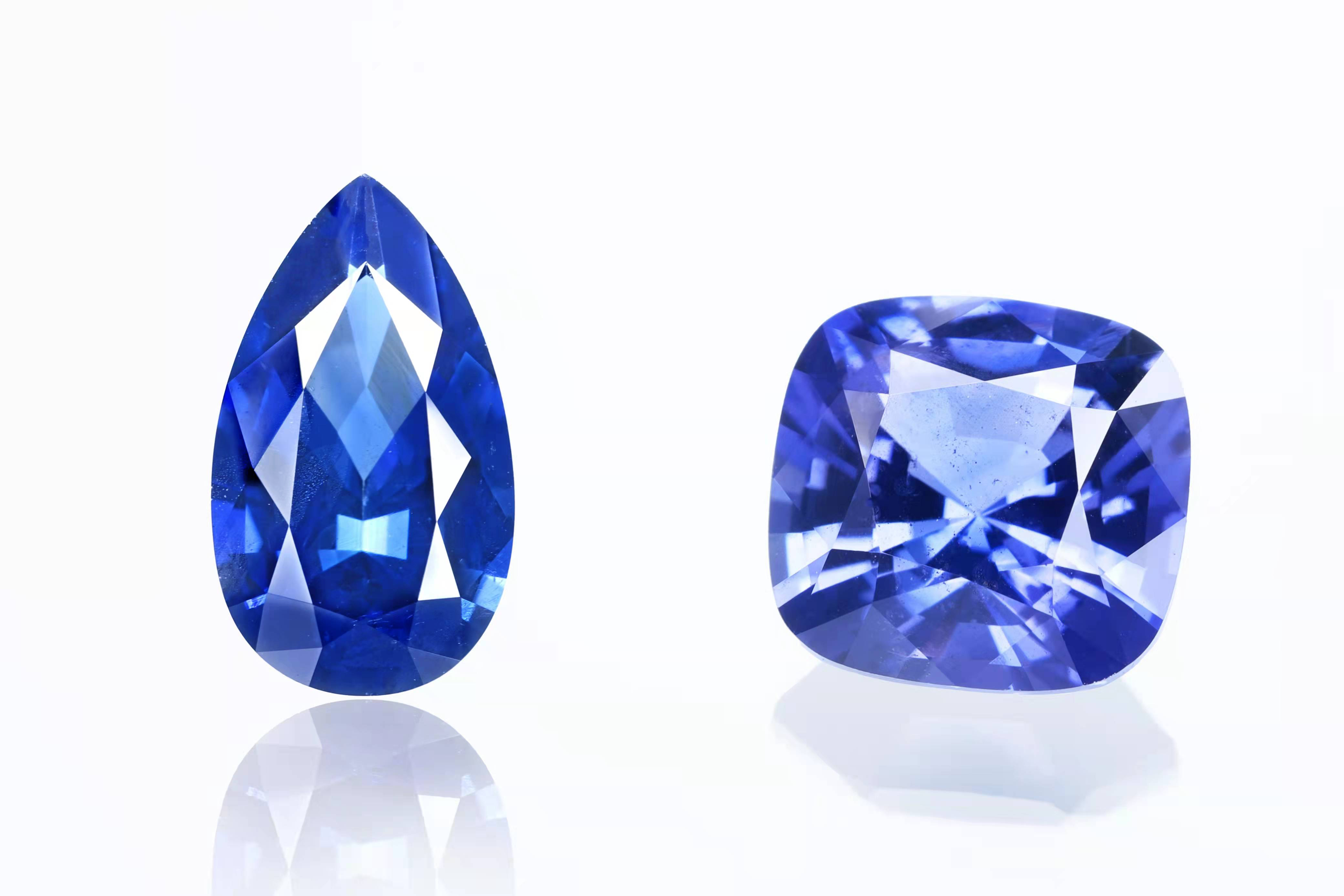
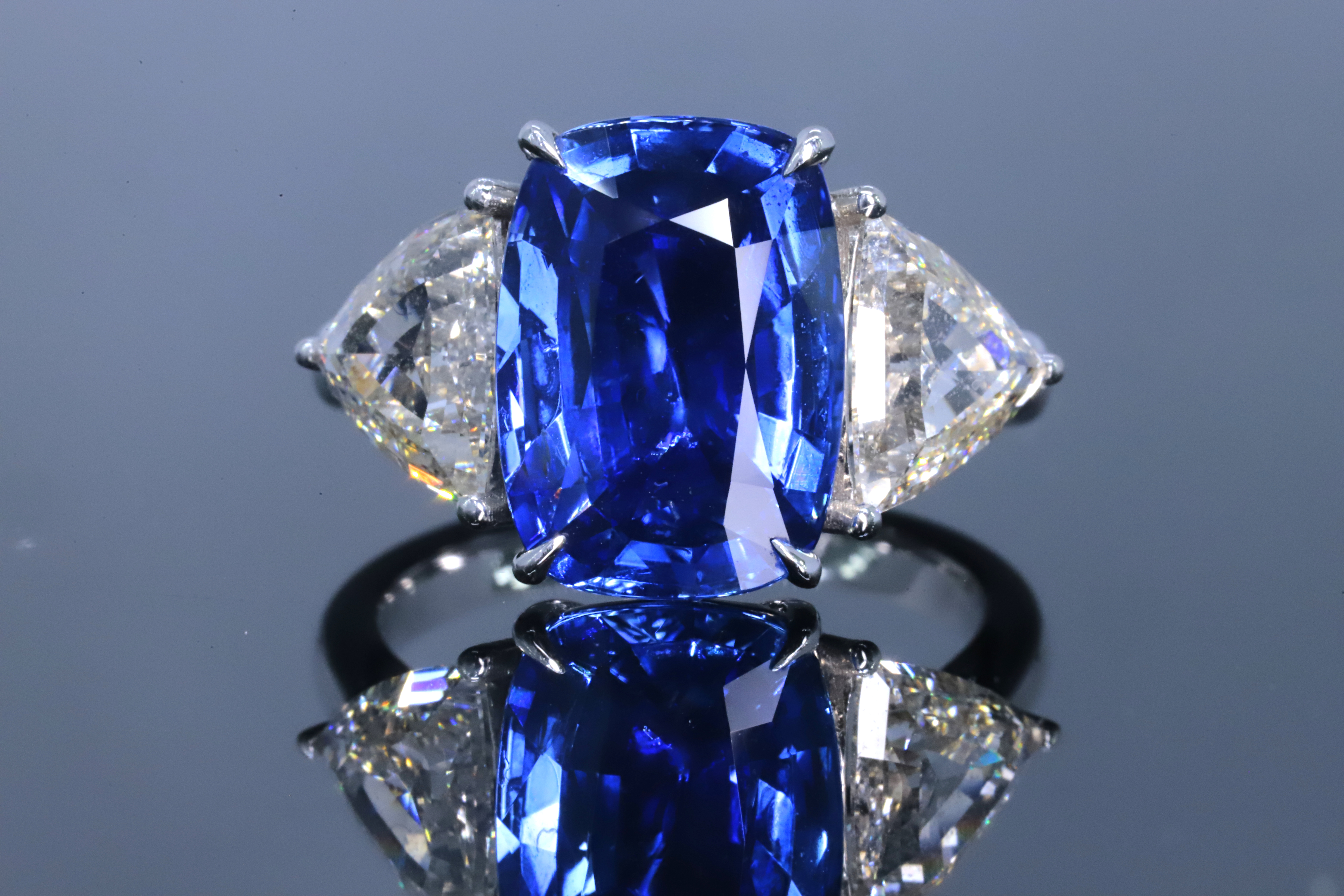
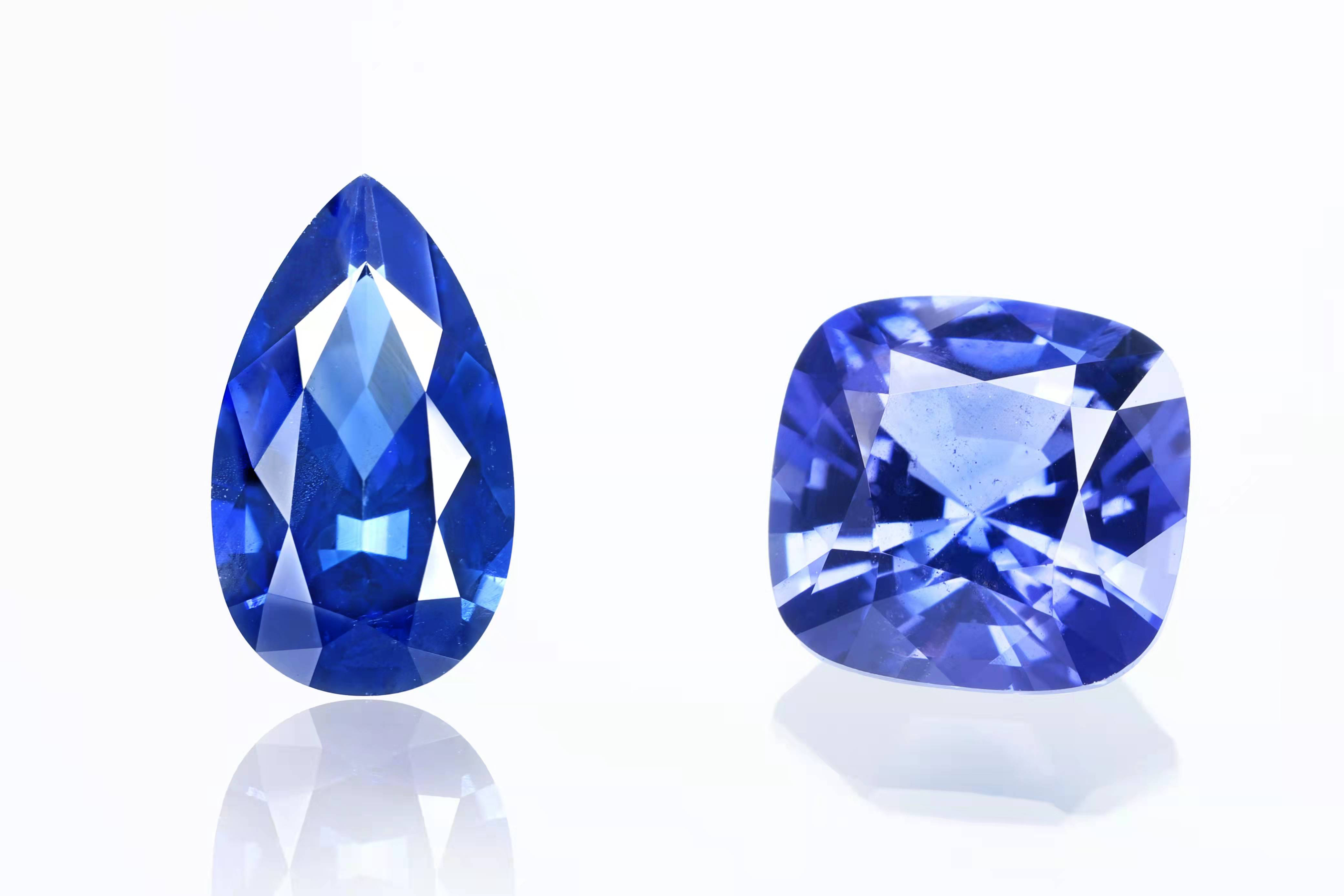
To our knowledge, there are few publications about Azad Kashmir sapphires—which are typically purplish pink to purple—and even fewer on blue sapphires from there. Recently, Guild Gem Laboratories received from trusted dealers two blue sapphires reportedly from Azad Kashmir (Figure 18): a 2.22 ct cushion cut that was bright blue with a slightly violet hue, and a 1.77 ct pear shape of an intense blue colour. Standard gemmological characteristics were consistent with those of sapphire. UV-Vis spectroscopy of the two stones showed features typical of a metamorphic origin.
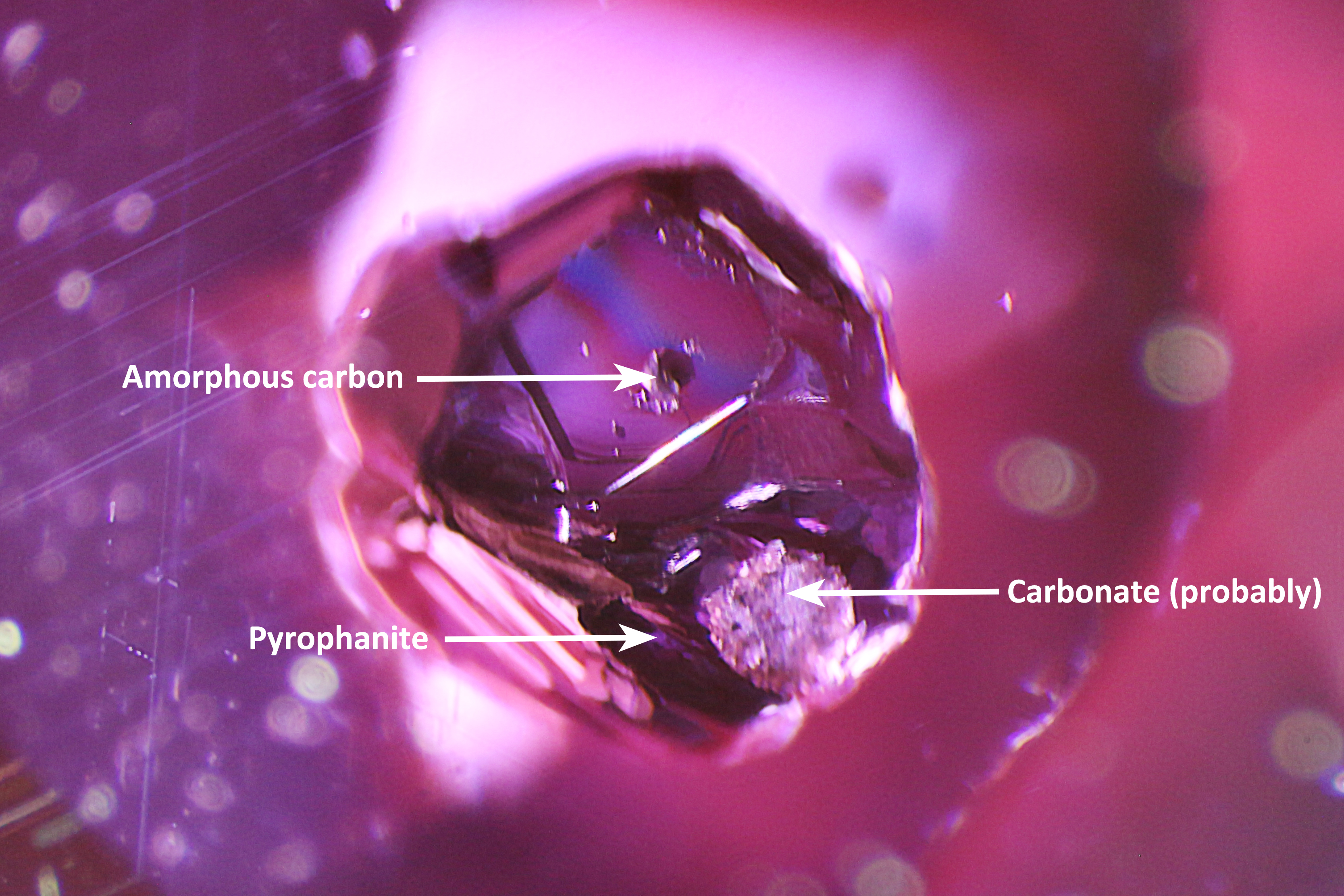
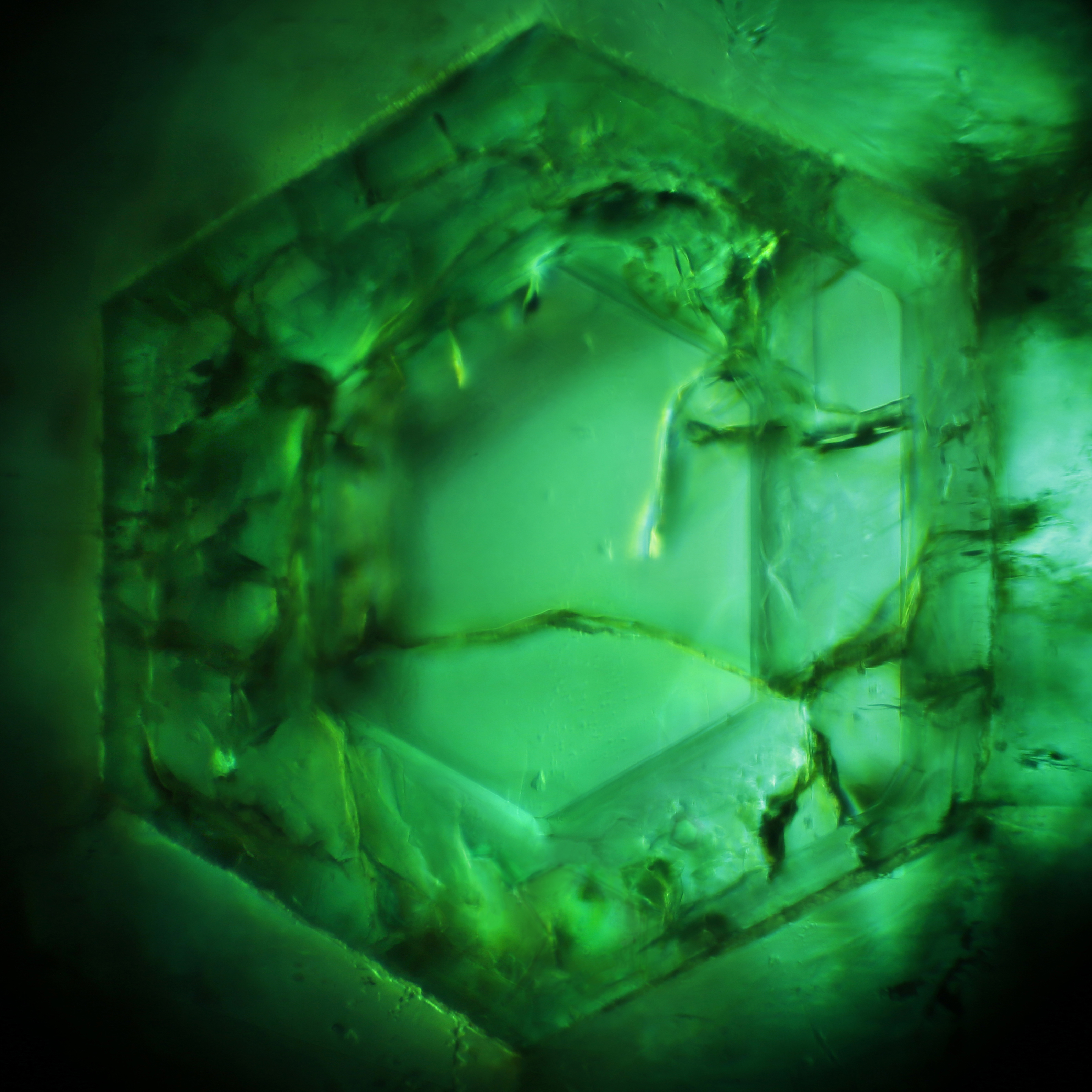
Microscopic observation revealed numerous black opaque inclusions—confirmed by Raman micro-spectroscopy as graphite (Raman shift at 1580 cm–1)—throughout both stones. In addition, we observed two typical inclusion assemblages associated with graphite. One was graphite located at the edge of a ‘fingerprint’ inclusion (Figure 19a) and another was graphite together with slightly corroded elongated zircon crystals (Figure 19b; main Raman peaks at 1011 and 978 cm–1). These inclusion characteristics are consistent with those reported by Pardieu et al. (2009) for the purple sapphires of Azad Kashmir. Growth lines (Figure 20a) and alternating blue and purple colour bands (Figure 20b) were present in both samples. Snowflake-like inclusions together with the white foggy growth bands gave the stones a slightly velvety appearance (again, see Figure 20b).
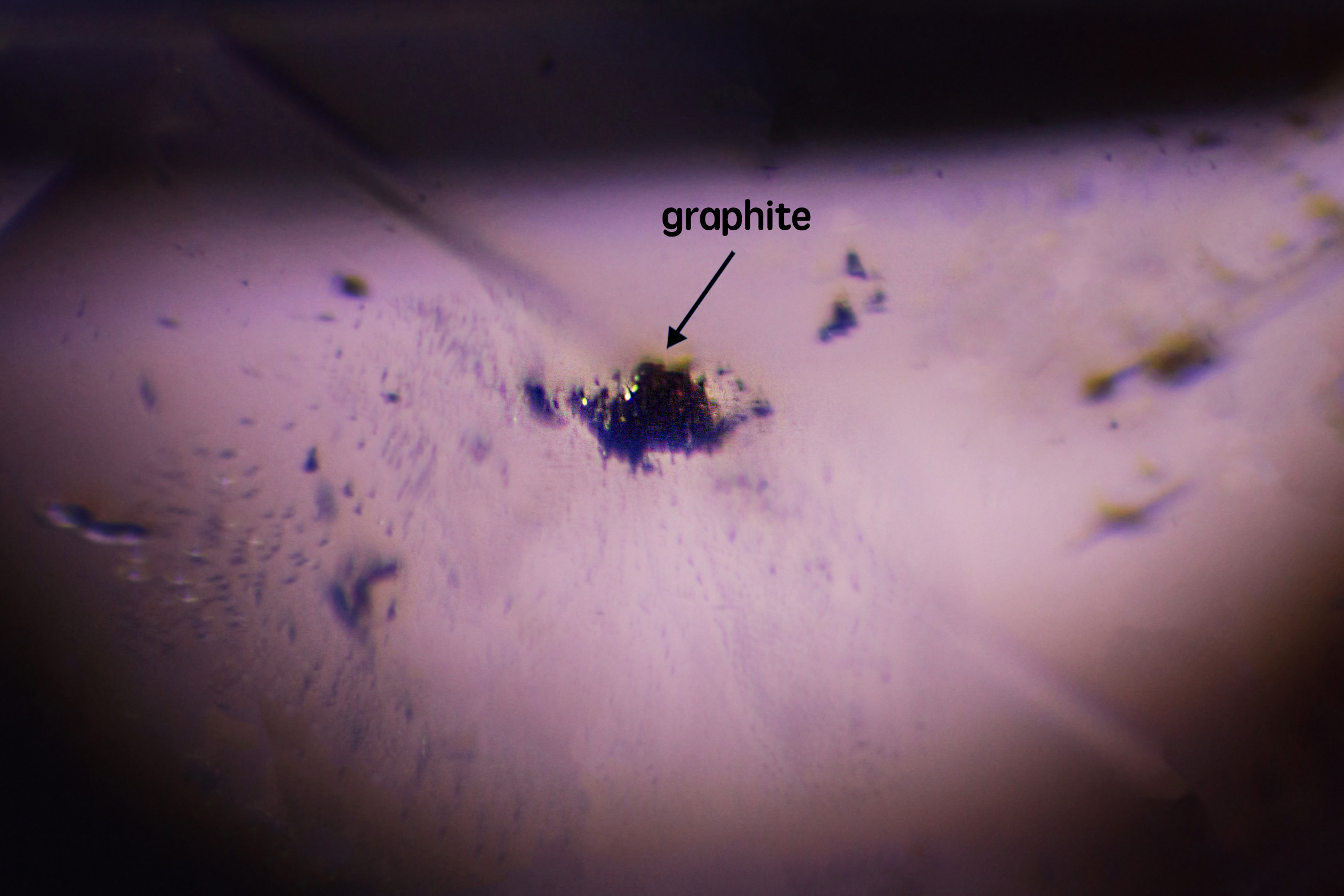
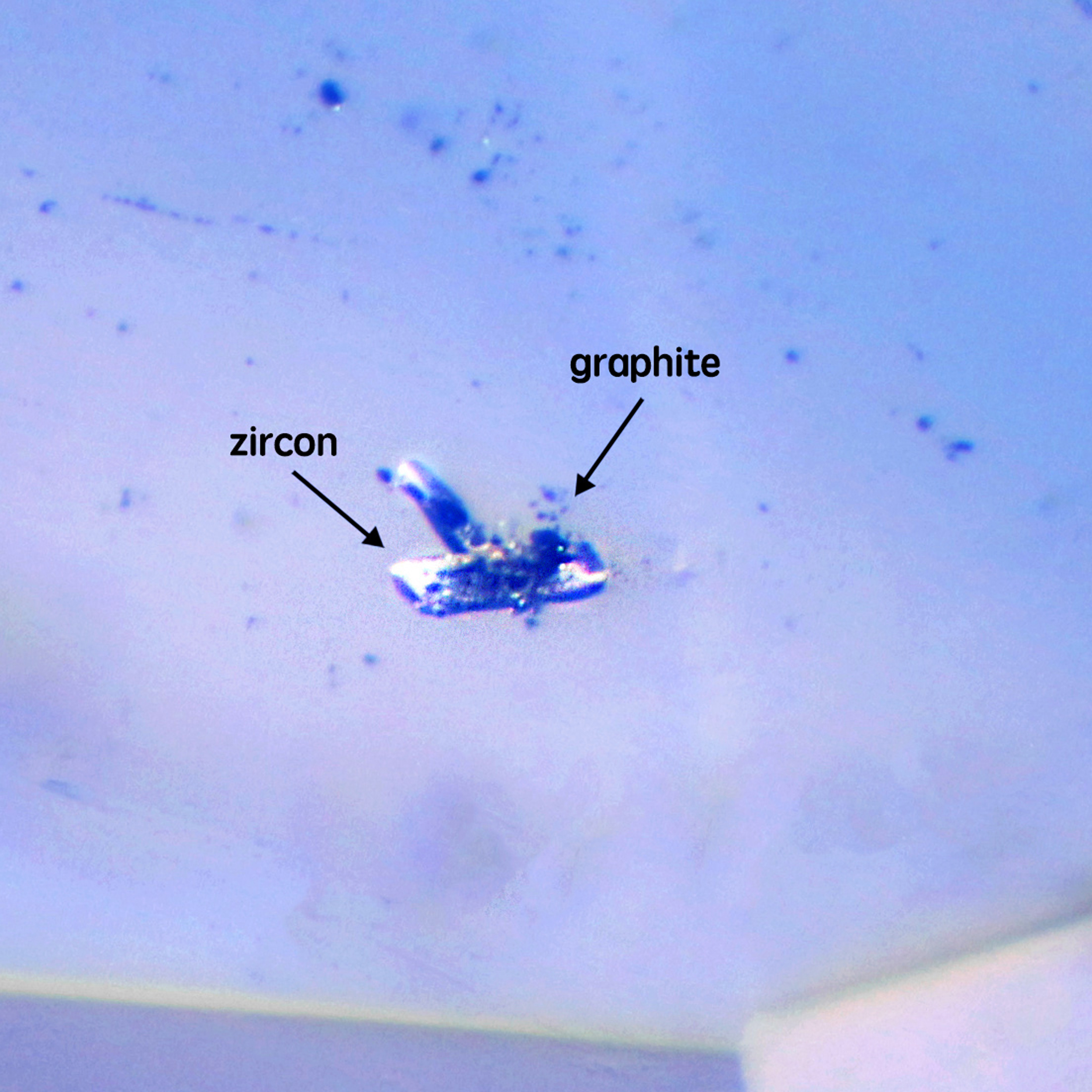
Figure 19: Graphite inclusions are present in the sapphires, together with (a) ‘fingerprints’ and (b) slightly corroded elongated zircon crystals. Photomicrographs by Huixin Zhao (a, image width 1.9 mm) and Qi Han (b, image width 0.6 mm) in darkfield illumination.
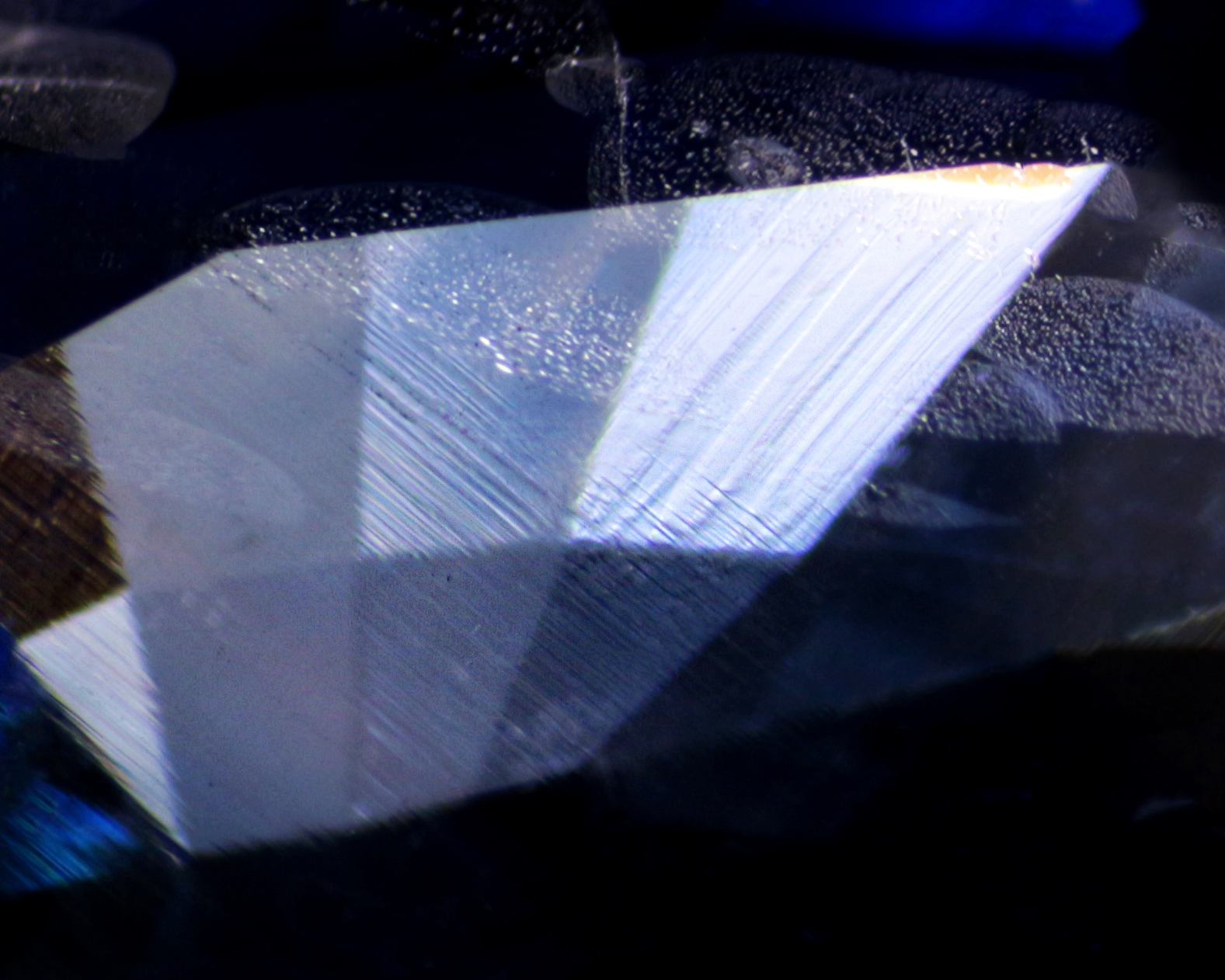
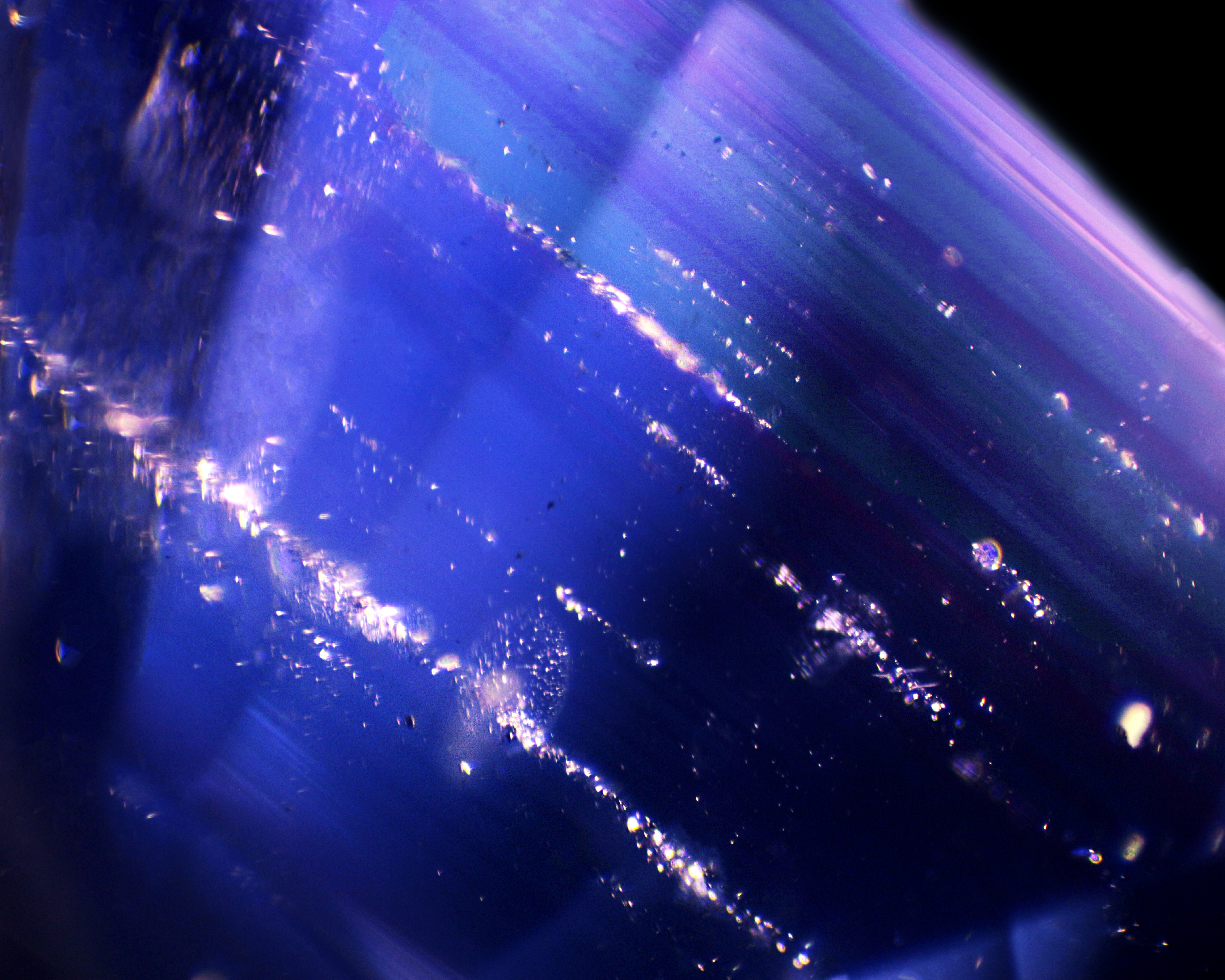
Figure 20: Additional internal features in both of the sapphires include (a) growth lines and (b) snowflake-like inclusions, along with alternating blue and purple colour banding. Photomicrographs by Huixin Zhao; (a) darkfield illumination and image width 1.8 mm, and (b) fibre-optic illumination and image width 5.0 mm.
In classic Kashmir sapphires, isolated zircon crystals without graphite are typical (Schwieger 1990). Many other mineral inclusions have been found in these sapphires, including tourmaline, pargasite, uraninite and plagioclase (Schwieger 1990; Peretti & Peretti 2017; Palke et al. 2019), which were absent from the present two samples. Thus, with regard to inclusions, the two stones examined here are similar to the purple sapphires from Azad Kashmir.
It may be possible to differentiate blue sapphires of Azad Kashmir from those of the classic deposits in Jammu and Kashmir on the basis of inclusions. However, additional samples and testing are needed to establish more robust criteria for their separation.
Tiantian Huang and Yujie Gao
(peter.gao@guildgemlab.com)
Guild Gem Laboratories
Shenzhen, China
References
Atkinson, D. & Kothavala, R.Z. 1983. Kashmir sapphire. Gems & Gemology, 19(2), 64–76, https://doi.org/10.5741/gems.19.2.64.
Kiefert, L. 2011. Sapphires from some exotic sources: Azad Kashmir and New Zealand. 32nd International Gemmological Conference, Interlaken, Switzerland, 13–17 July, 97–99.
Palke, A.C., Saeseaw, S., Renfro, N.D., Sun, Z. & McClure, S.F. 2019. Geographic origin determination of blue sapphire. Gems & Gemology, 55(4), 536–579, https://doi.org/10.5741/gems.55.4.536.
Pardieu, V., Thirangoon, K., Lomthong, P., Saeseaw, S., Thanachakaphad, J. & Du Toit, G. 2009. Sapphires reportedly from Batakundi/Basil area: A preliminary examination and a comparison with rubies and pink sapphires from other deposits in Central Asia. Gemological Institute of America, Bangkok, Thailand, 34 pp., https://www.gia.edu/doc/batakundi_sapphire.pdf, accessed 1 December 2021.
Peretti, A. & Peretti, F. 2017. Identification of sapphires from Madagascar with inclusion features resembling those of sapphires from Kashmir (India). GRS Gemresearch Swisslab AG, Lucerne, Switzerland, 9 pp., https://www.gemresearch.ch/assets/documents/publication-articles/2017_05-kashmir-madagascar-grs-1.pdf, accessed 3 January 2022.
Schwieger, R. 1990. Diagnostic features and heat treatment of Kashmir sapphires. Gems & Gemology, 26(4), 267–280, https://doi.org/10.5741/gems.26.4.267.