Faceted Sapphire Coloured Blue by a Polymer Coating
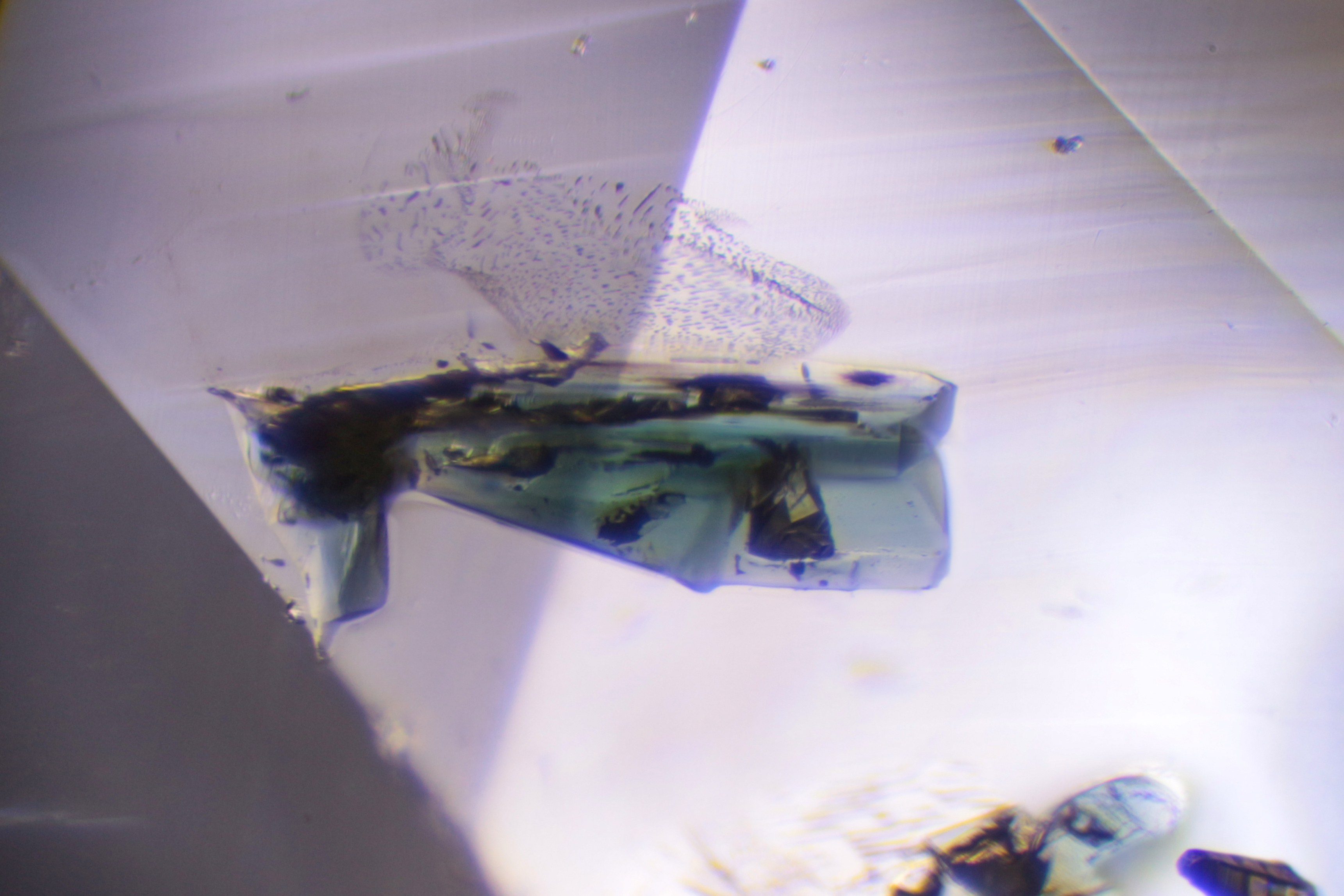
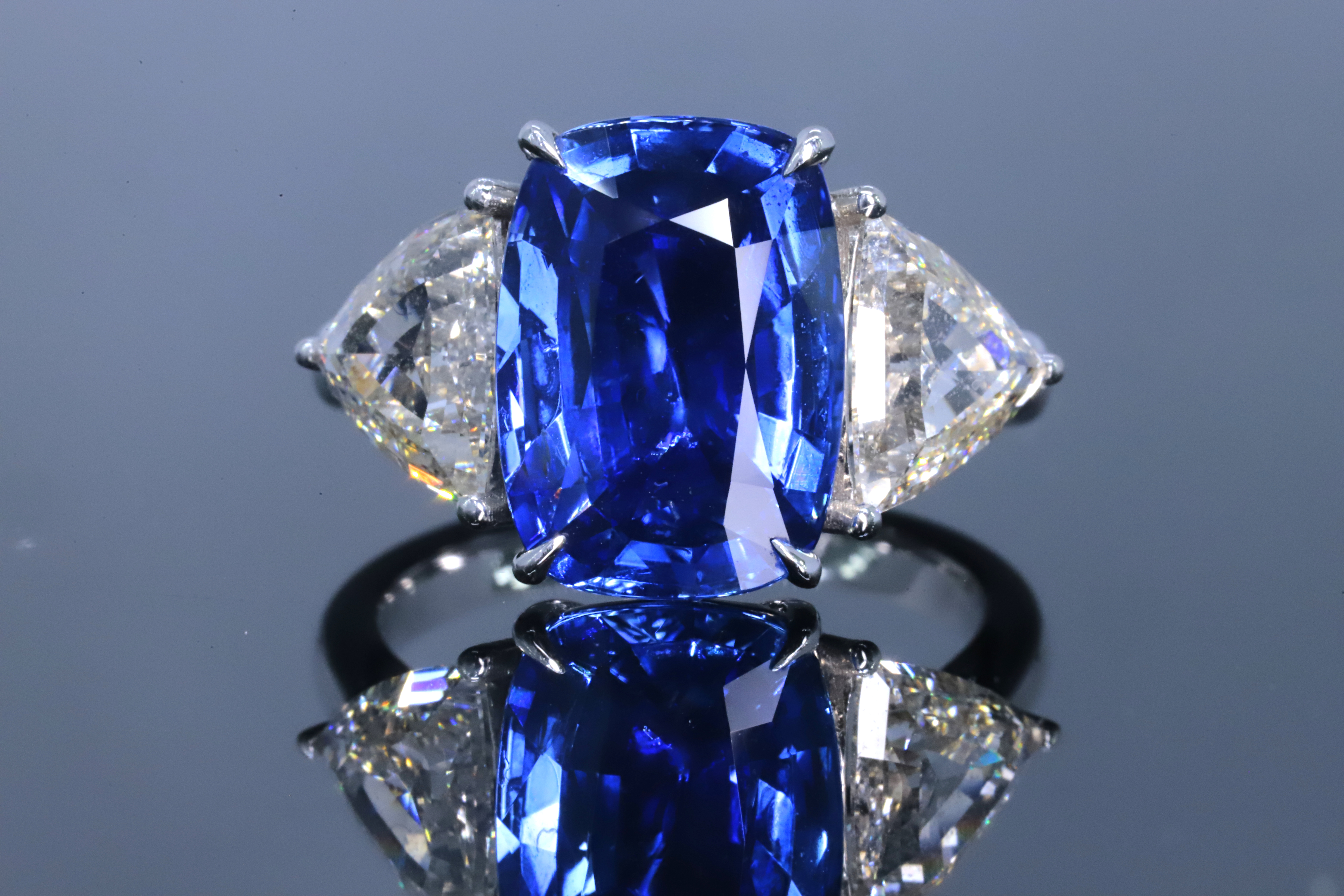
Recently, a ring was submitted to Guild Gem Laboratories containing a 6.81 ct cushion-cut blue sapphire flanked by triangular colourless diamonds (Figure 24). The colour of the sapphire was quite attractive, showing moderate blue saturation with a light tone. Its RI was 1.762–1.770 (birefringence 0.008), which is consistent with corundum. Microscopic examination revealed colourless and transparent prismatic inclusions, which were identified as apatite by Raman spectroscopy. Blurred blue colour zoning was also observed, along with an expanded discoid fracture, which provided evidence of thermal enhancement. Combined with a chalky blue fluorescence reaction to short-wave UV radiation, the stone appeared to be a heated blue sapphire.
UV-Vis-NIR spectroscopy of the sapphire, however, yielded unexpected results (Figure 25). A prominent broad band was centred at 580 nm, along with a sharp peak at 385 nm, but none of the expected features related to iron or Fe2+–Ti4+ intervalence charge transfer were present. The reason for this became clear with close microscopic inspection of the stone’s surface, which showed evidence of a coating that had locally chipped off the pavilion near the girdle (Figure 26). The edges of the coating displayed uneven blue colour distribution, and in reflected light we could see a lower lustre for the coated areas compared to the underlying sapphire.
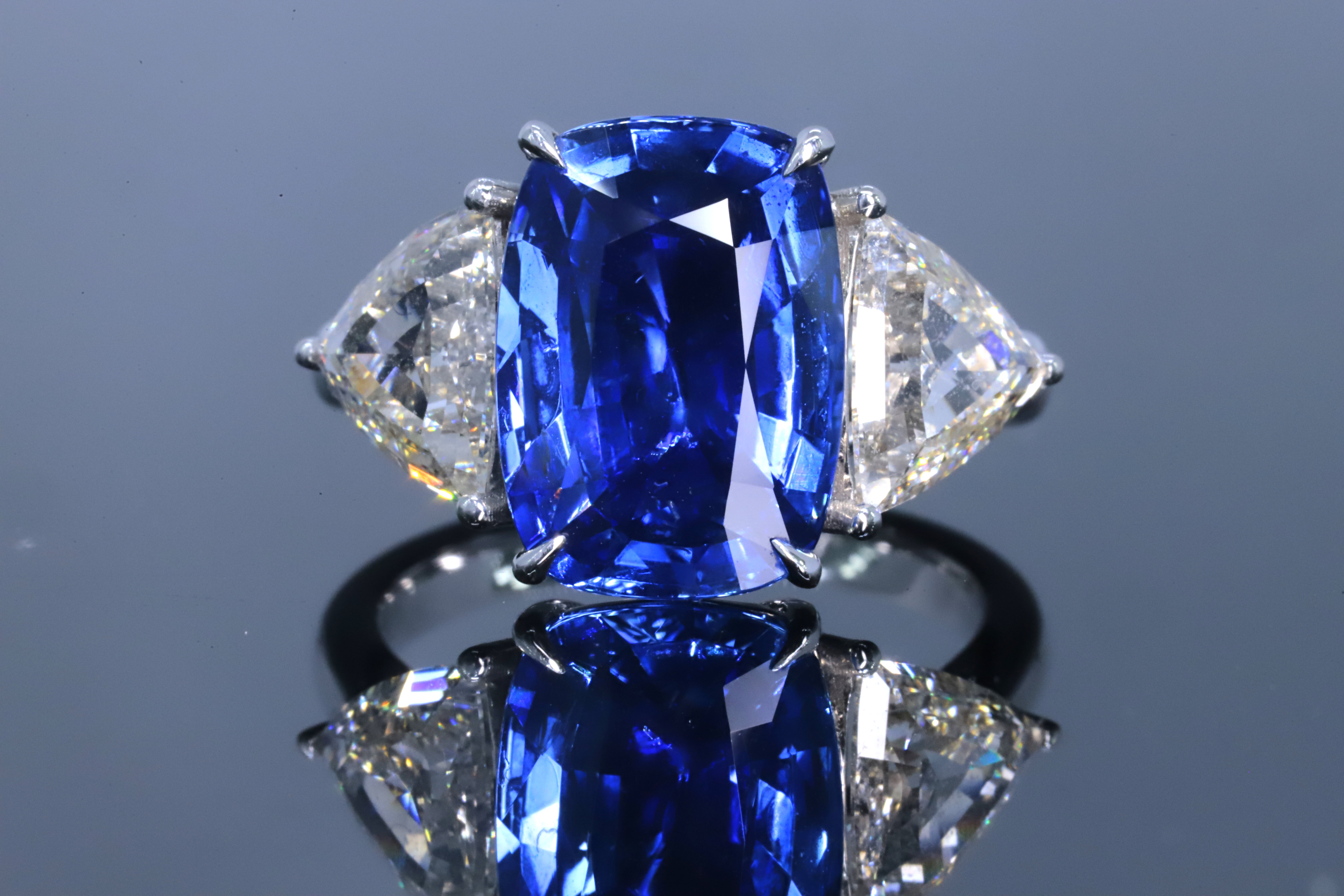
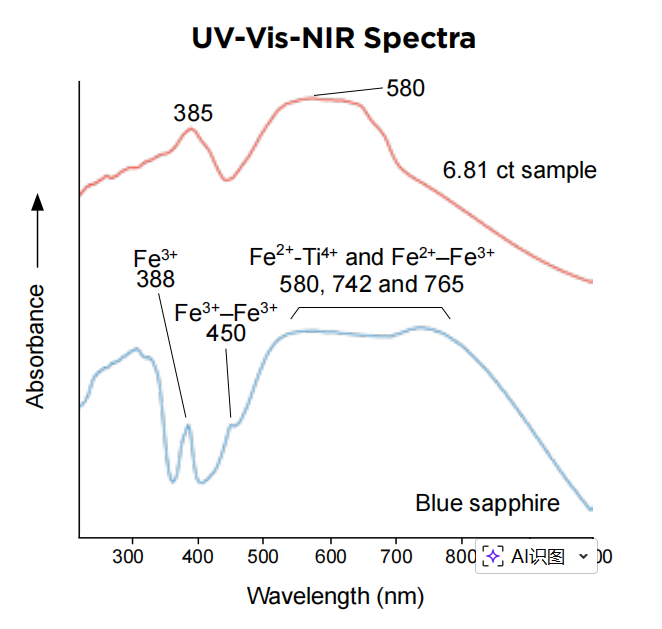
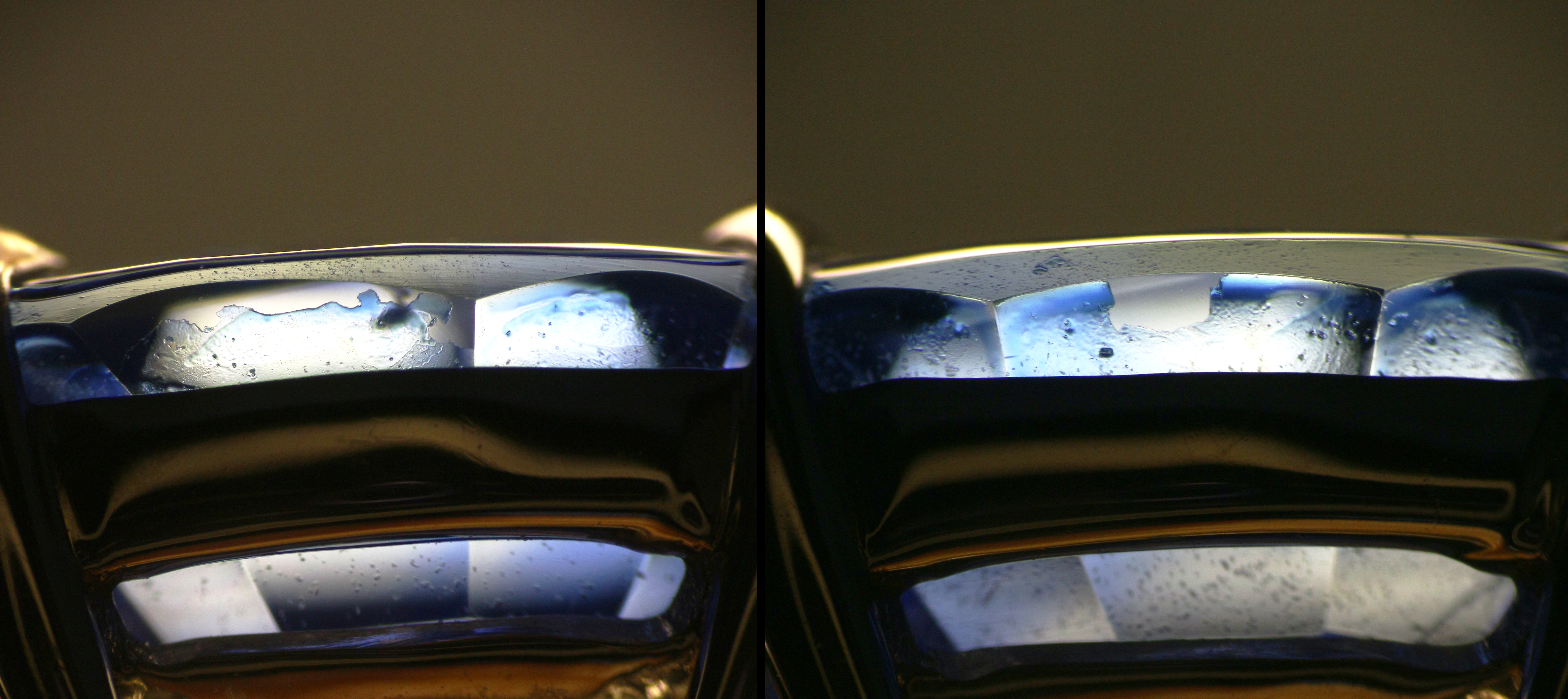
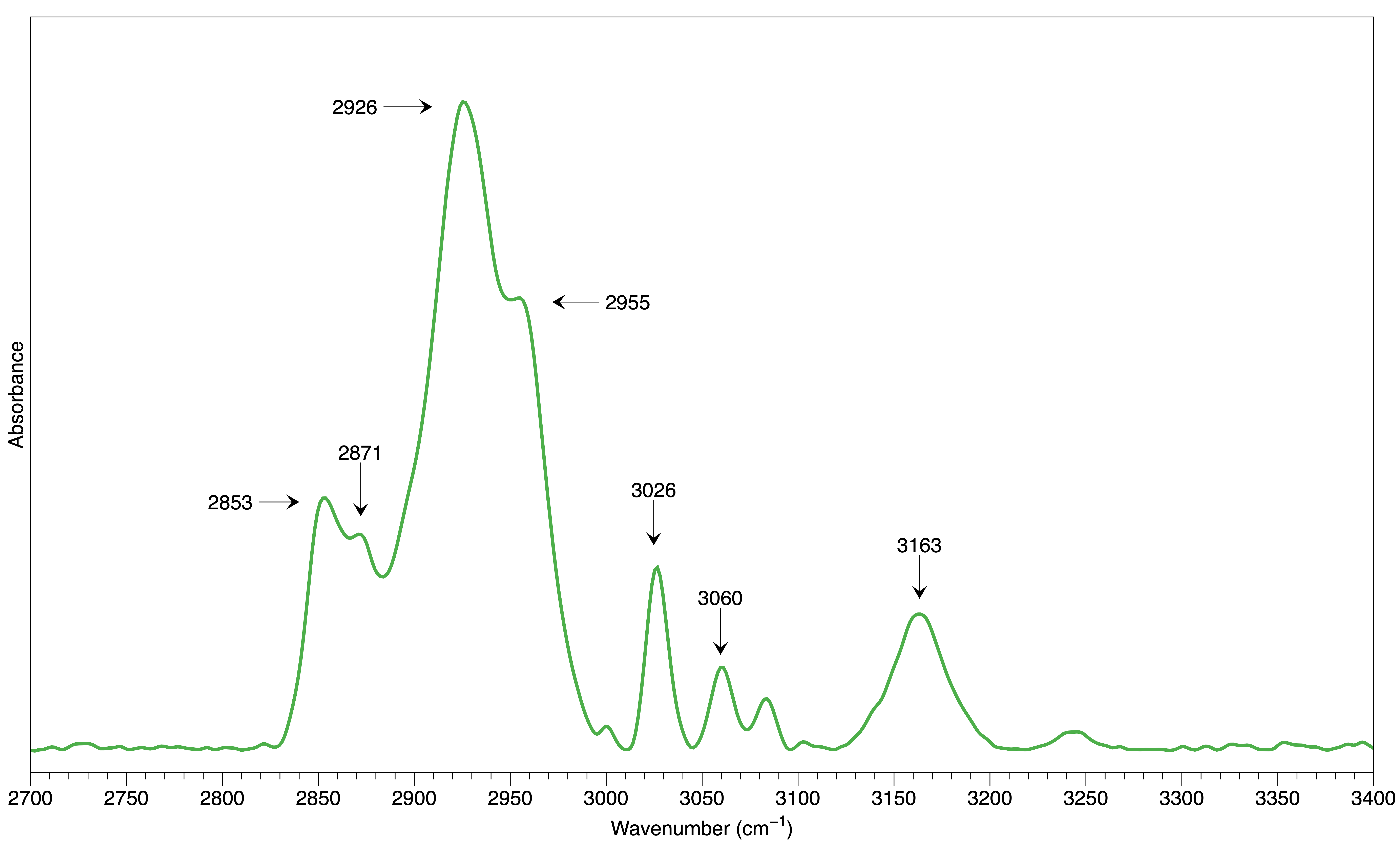
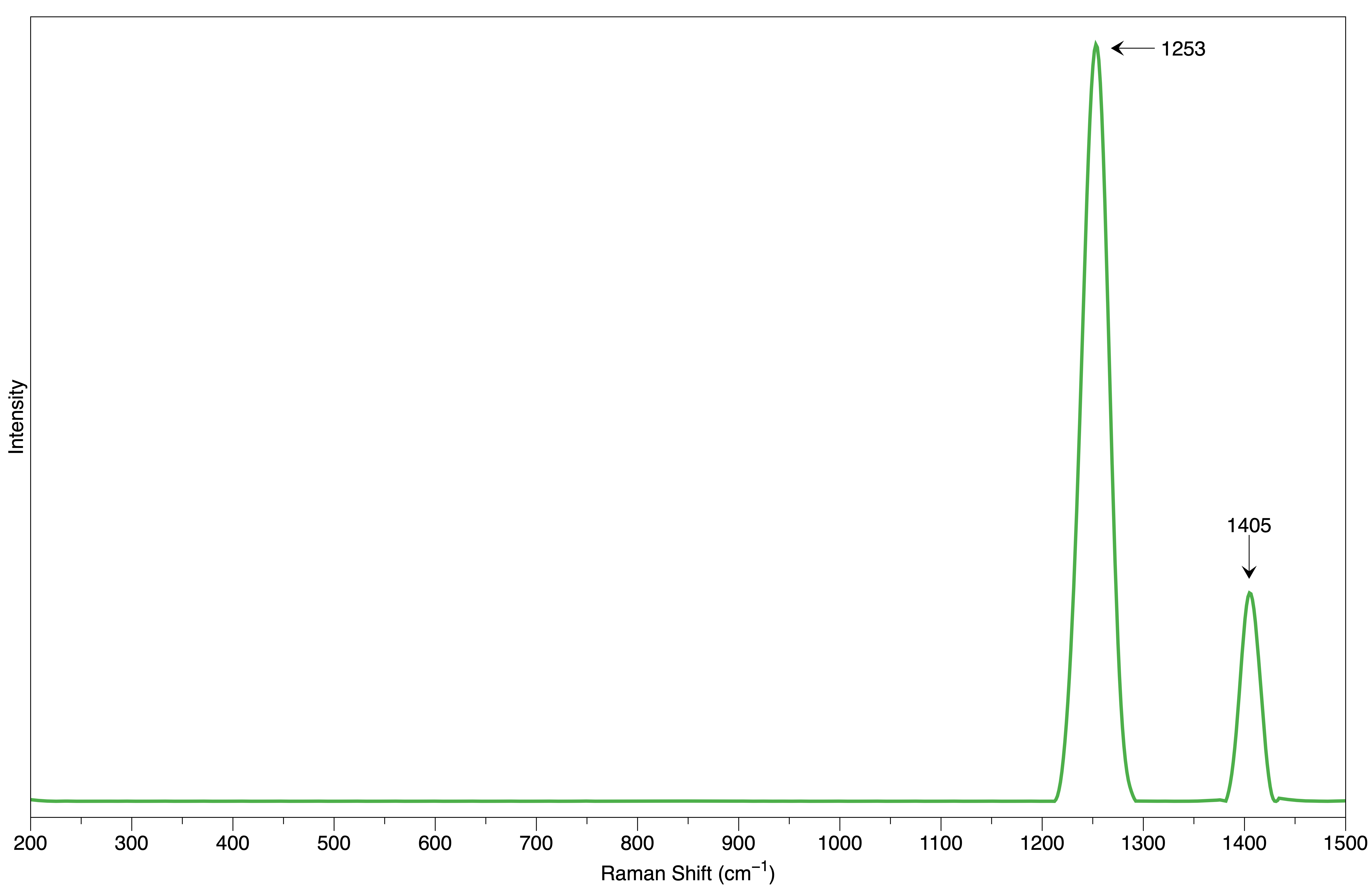
Figure 27: (a) The FTIR spectrum of the sapphire displays features associated with a polymer coating at 2853, 2871, 2926, 2955, 3026 and 3060 cm–1. (b) Raman spectroscopy of the coating shows two prominent peaks at 1253 and 1405 cm–1, also associated with a polymer.
Fourier-transform infrared (FTIR) spectroscopy recorded aspects consistent with corundum, but also revealed prominent features at 2853, 2871, 2926, 2955, 3026 and 3060 cm–1 (Figure 27a) that have been attributed to a polymer coating (Lai 2017). In addition, confocal Raman spectroscopy of the coating showed two prominent peaks at 1253 and 1405 cm–1 (Figure 27b), consistent with a polymer; the one at 1253 cm–1 is related to epoxide vibrations (Vašková & Křesálek 2011). Since the sapphire had no surface-reaching fractures or fissures, the polymer-related features in the spectra must have been due to the coating rather than a filler (i.e. a substance used for clarity enhancement, as is commonly encountered in emerald and aquamarine).
Thus, we identified the blue gemstone in the ring as a heated sapphire with a coloured polymer coating. Although blue sapphires are commonly heated to improve their colour, coating treatments are rarely seen on gem corundum, with only a few cases having been reported (e.g. Choudhary 2013; Schneider & Jasso 2019). Such coatings are easy to detect as long as one remembers to check for them.
Yujie Gao, Tiantian Huang
(candice.huang@guildgemlab.com)
and Yanhua Ni
Guild Gem Laboratories
Shenzhen, China
Chen Zheng
Shenzhen Institute of Technology, China
References
Choudhary, G. 2013. Gem News International: Corundum carving coated with colored polymer. Gems & Gemology, 49(3), 184–185.
Lai, L.T.-A. 2017. Gem News International: Coated beryl imitating emerald. Gems & Gemology, 53(4), 481–482.
Schneider, V. & Jasso, J. 2019. Lab Notes: Cobalt-coated sapphire. Gems & Gemology, 55(3), 421–422.
Vašková, H. & Křesálek, V. 2011. Raman spectroscopy of epoxy resin crosslinking. 13th WSEAS International Conference on Automation Control, Modeling & Simulation (ACMOS’11), Lanzarote, Canary Islands, Spain, 27–29 May, 357–361.